Creator Record
Metadata
Name |
Hooper, Annie |
Dates & places of birth and death |
Born in Buxton, North Carolina in 1897. Died in 1986 in North Carolina. |
Nationality |
American |
Notes |
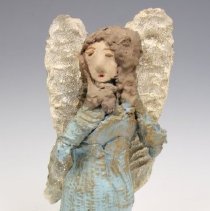
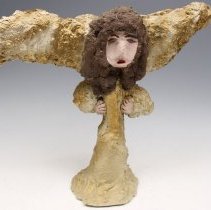
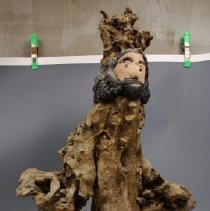
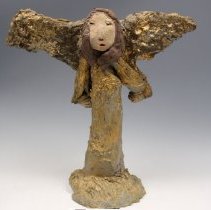
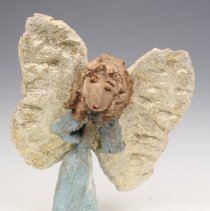
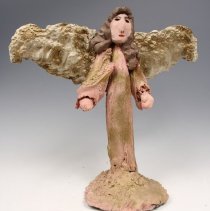
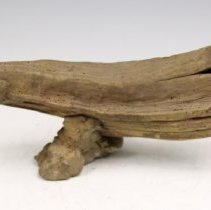
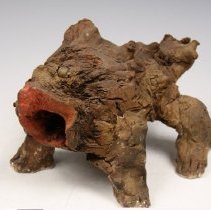
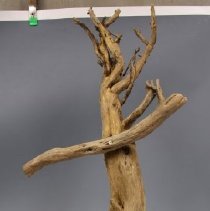
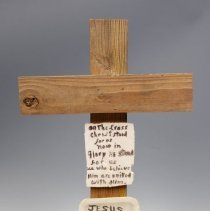
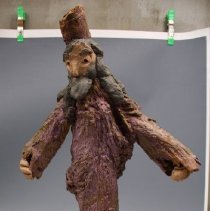
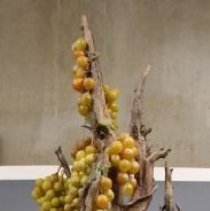
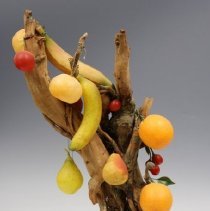
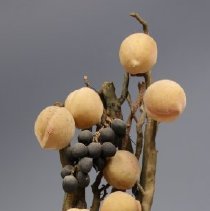
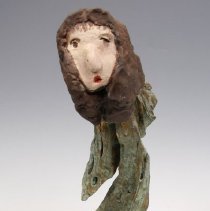
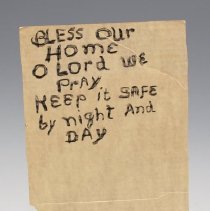
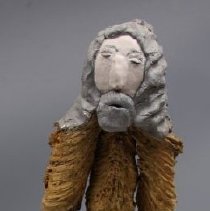
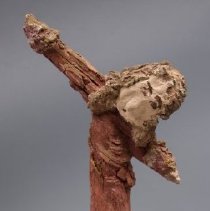
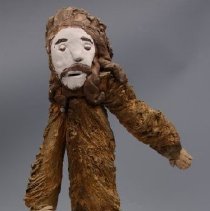
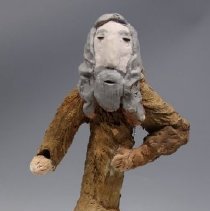
In 1897, Annie Hooper was born in Buxton, North Carolina on Cape Hatteras and lived on the Outer Banks of North Carolina for most of her life. She was raised alongside 12 siblings and 14 foster siblings in a religious household. The Methodist Church in Buxton was the center of community life and was the place in which Annie learned about the Bible. After marrying her husband John and moving to Stumpy Point, North Carolina, Hooper taught herself to play Methodist hymns and served as the church organist, Sunday School teacher, and lay minister. Throughout her life, she wrote hundreds of her own poems and songs, but it wasn't until much later that she began to make sculptures. After experiencing periods of deep depression and emotional strain, first when her son Edgar and husband John were away during World War II, and then again when Edgar was temporarily stricken with lung problems, Hooper sought mental treatments from a doctor in Raleigh, during which time she stayed with her twin sister, Mamie. Like Annie, Mamie was deeply religious and worked as a teacher in Raleigh's Central Prison and Women's Prison. She would bring home Bible tracts for Annie to read and even took her along one day when she ministered to prisoners on Death Row. As close friend Roger Manley explains, "As her sister spoke, Annie saw how the inmates found comfort by identifying with the troubles encountered by the ancient saints and heroes. In their terror and loneliness they were able to feel and hear the meanings of the stories in a way that other people could not. Annie began to sense a connection between her pain and the Biblical teachings in a direct way that she was unable to articulate verbally." When she returned home after four months of treatment in Raleigh, Hooper was physically weak and unable to return to the household tasks that engaged much of her time before treatment. To occupy her mind and hands as she rested, she began to make art as a source of healing and means of articulating her innermost thoughts, beliefs, and emotions. She constructed a vast array of sculptures from driftwood, putty, shells, and cement, and her unique perspective saw the hand of God in every natural thing. As Manley explains, "A bit of cement or putty and some marbles or shells for eyes were usually enough to make the figures tell the stories she was trying to convey." Over time, Hooper created nearly 5000 artworks, or what she would later call "symbols," and displayed them among roughly 300 tableaus representing scenes from the Bible in her home. Though her craftsmanship developed through experimentation over the years, she continually recreated Biblical characters that reflected some aspect of her own inner, emotional life. Hooper did not sell her work, but preferred to lead visitors on tours, during which she would use the figures to act out religious stories. When her husband was crippled by a stroke in 1978, Hooper created signs to take the place of her personal narration and help tell the stories for visitors who walked around her home freely. |
Relationships |
John Hooper, husband Edgar Hooper, son |
Places of residence |
Stumpy Point, NC Buxton, NC |
Role |
Artist |